Everyday Nutrition & Traditional Ingredients

The Story Behind Biblical drink (oil)/ Honey blend and How the Order of Food on Your Plate Shapes an Ordinary Afternoon

It’s 2:47 PM. The dishes from lunch are still in the sink, and the energy that felt fine an hour ago has quietly disappeared. This page looks at a simple, often-overlooked habit — the order food is eaten in — alongside the kitchen history of Biblical drink (oil)/ Honey blend, a traditional pairing long used in home cooking. This is educational content about everyday habits, not medical guidance, and it does not replace the care of the doctor who knows your health history.

Everyday Nutrition  ·  Daily Habits  ·  Educational Content  ·  Everyday Nutrition  ·  Daily Habits  ·  Educational Content

A Familiar Afternoon

For many people who keep an eye on their eating habits, certain moments in the day repeat themselves — quietly, almost without notice.

The Morning That Starts Heavy

Even after a full night's sleep, some mornings begin with a kind of fatigue that coffee doesn't quite fix, making the first hours of the day feel slower than expected.

The Post-Lunch Rollercoaster

A meal that felt satisfying at noon can be followed, an hour later, by a dip in energy and focus that seems to arrive out of nowhere.

The Constant 'What Should I Eat?'

Grocery aisles and restaurant menus can turn into small daily puzzles, with conflicting advice making even simple choices feel complicated.

The Weight of Every Plate

Deciding what goes on the plate, in what portion, and in what order can start to feel like a quiet mental task repeated three times a day.

Myths and Facts About Everyday Eating

A few ideas about carbohydrates, fruit, and so-called ‘special’ foods circulate widely — some hold up, others don’t.

MYTH

Myth: All carbohydrates should be avoided completely.

FACT

Fact: Carbohydrates are one part of a varied plate; many nutrition educators focus on the quality, portion, and context of a meal rather than eliminating a whole food group.

MYTH

Myth: Fruit is off-limits because it contains sugar.

FACT

Fact: Whole fruit comes packaged with fiber and other nutrients, and how it’s eaten — alone or as part of a meal — is often discussed more than whether it’s eaten at all.

MYTH

Myth: There is a special category of ‘diabetic food’ that must replace regular meals.

FACT

Fact: Most nutrition guidance points toward balanced, everyday meals rather than a separate list of exclusive products, and any dietary change should be discussed with the professional overseeing your care.

A Simple Habit: The Order of the Plate

Some educators highlight meal structure — not just what’s on the plate, but the sequence and pace of eating it. These are general habit observations, not a substitute for individualized medical or nutritional advice.

01

Step 1 — Vegetables and Fiber First

Starting a meal with vegetables or a fiber-rich side is a sequencing habit some people choose to build into their routine before moving to the rest of the plate.

02

Step 2 — A Steadier Pace

Eating unhurried, with pauses between bites, is a habit some find easier to maintain than eating quickly through an entire meal in a few minutes.

03

Step 3 — Light Movement Afterward

A short, gentle walk after eating — even just around the block or up and down the stairs — is a routine some people add after meals, alongside whatever plan their healthcare provider has recommended.

Where Biblical drink (oil)/ Honey blend Comes From

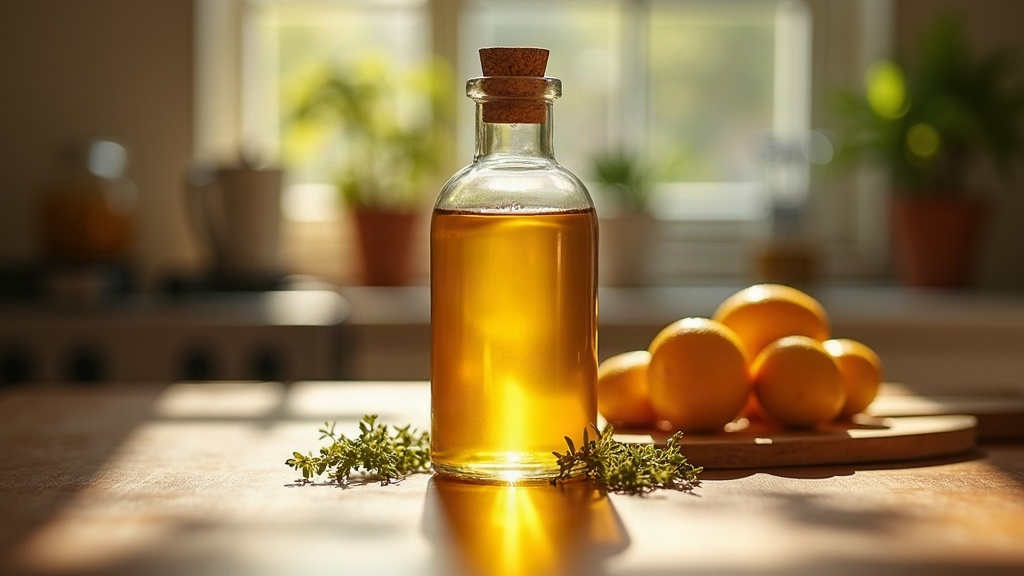
Long before it had a name on a label, the pairing of oil and honey appeared in the kitchens of ancient Mediterranean and Near Eastern households. Olive oil was pressed and stored in clay jars, honey was gathered and kept as a prized sweetener, and the two were often drizzled together over bread, grains, or roasted vegetables at the family table. References to ‘a land of oil and honey’ appear in some of the oldest texts describing agricultural abundance, and the combination became a staple of everyday cooking rather than a specialty item — used in flatbreads, marinades, and simple desserts passed down through generations.

This is a story about culinary heritage — how an ingredient pairing found its place in traditional cooking — not a description of how food affects the body. Anyone curious about adding traditional ingredients to their meals should still check in with the doctor or dietitian who manages their care plan before changing their diet.

When It's Worth a Conversation With Your Doctor

A Noticeable Shift in Energy Patterns

If daily energy dips feel more frequent or more intense than they used to, that pattern is worth describing to the doctor who follows your health, rather than adjusting anything on your own.

Unusual Thirst That Feels Different

A change in thirst that seems out of the ordinary for you is a detail your healthcare provider can put into context — bring it up at your next visit or call.

Meals That Are Harder to Plan Than Before

If organizing meals has become noticeably more difficult, sharing that with your doctor or a registered dietitian can help them adjust guidance to your routine.

Curiosity About Adding a New Ingredient

Interested in trying something like Biblical drink (oil)/ Honey blend in your cooking? It's worth mentioning to your doctor, especially if you take any prescribed medication.

Schedule Changes That Disrupt Meal Timing

Shift work, travel, or new routines that shift meal times are a good reason to check in with your care team about how to keep your plan workable.

Any New or Unfamiliar Sensation

Anything that feels new or unusual, even if minor, deserves a conversation with a healthcare professional rather than a guess — they know your full history.

Notes From People Who Reorganized Their Meals

I used to eat whatever was closest on the plate first. Now I start with the vegetables and finish with everything else — it's a small change, but my meals feel less rushed.

Marlene Ashworth
Illustrative account
Adding a short walk after dinner became part of our evening routine. It's nothing dramatic, just something my wife and I do together now.
Desmond Okafor
Illustrative account
Learning about the history of ingredients like oil and honey made cooking feel more intentional. I still run every change past my doctor before I try it.
Priya Ramanathan
Illustrative account

These are individual accounts shared for illustrative purposes only. They describe personal routines, not clinical outcomes, and results and experiences vary from person to person. This content does not replace medical advice.

Curious About the Full Story?

Explore more about the tradition behind Biblical drink (oil)/ Honey blend and the everyday habit of meal ordering. As always, talk with your doctor before changing your diet, routine, or any part of a prescribed treatment plan.

Advertising Disclosure: This page contains sponsored content and affiliate links. We may receive compensation if you click on or make purchases through links on this page. This compensation may impact how and where products or offers appear.

Content Disclaimer: This content is provided for educational and informational purposes only. It has not been evaluated by the FDA and is not intended to diagnose, treat, cure, or prevent any disease. It is not a substitute for professional medical advice, diagnosis, or treatment. Always consult a qualified healthcare professional before changing your diet, exercise routine, or any prescribed treatment, including medication.

Results Disclaimer: Individual results and experiences vary. Testimonials and personal accounts shared on this page reflect individual opinions and are not a guarantee of any particular outcome or result.

© 2026 · All Rights Reserved